
What to Do in Rome When You’ve Already Seen the Colosseum

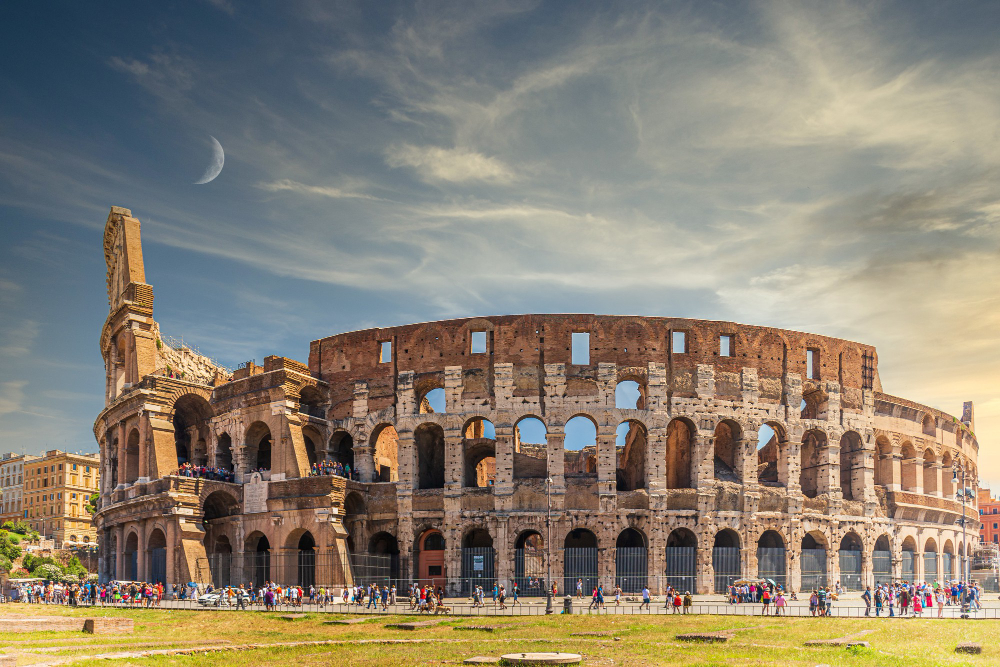

Freepik, now called Magnific
Rome! About 2700 years of history scattered around the city, fascinating us even today. I believe if you visit Rome for the first time, you have to cover the essentials first. So, I queued up for the Colosseum, tossed a coin into the Trevi Fountain, climbed the Spanish Steps, and called it a day. It was magnificent, of course.
But when I came back for the second time and then the third, I realized that I was just scratching the surface. The city of Rome has so much to offer to a beginner and experienced visitor alike, because of its layered, deep and rich history. Look beneath that glossy, tourist-polished exterior! A simple checklist is not enough to capture the timeless grace and lovely charm of this place.
Still, if you’re wondering what to do in Rome after you’ve already ticked off the obvious landmarks, you’re in exactly the right place. This guide is for the traveler who wants to go explore deeper — the meaningful neighborhoods, the food, the art, and the quiet corners that most guidebooks skip entirely.
Visit Rome’s Ancient Underground
Much of what to see in Rome is mostly underground. The immense history of the city can be clearly observed by even a casual visitor, with every era simply built on top of the last. You can find the entire layers of Roman history beneath the streets and basilicas of this city.
The Christian Catacombs of Rome
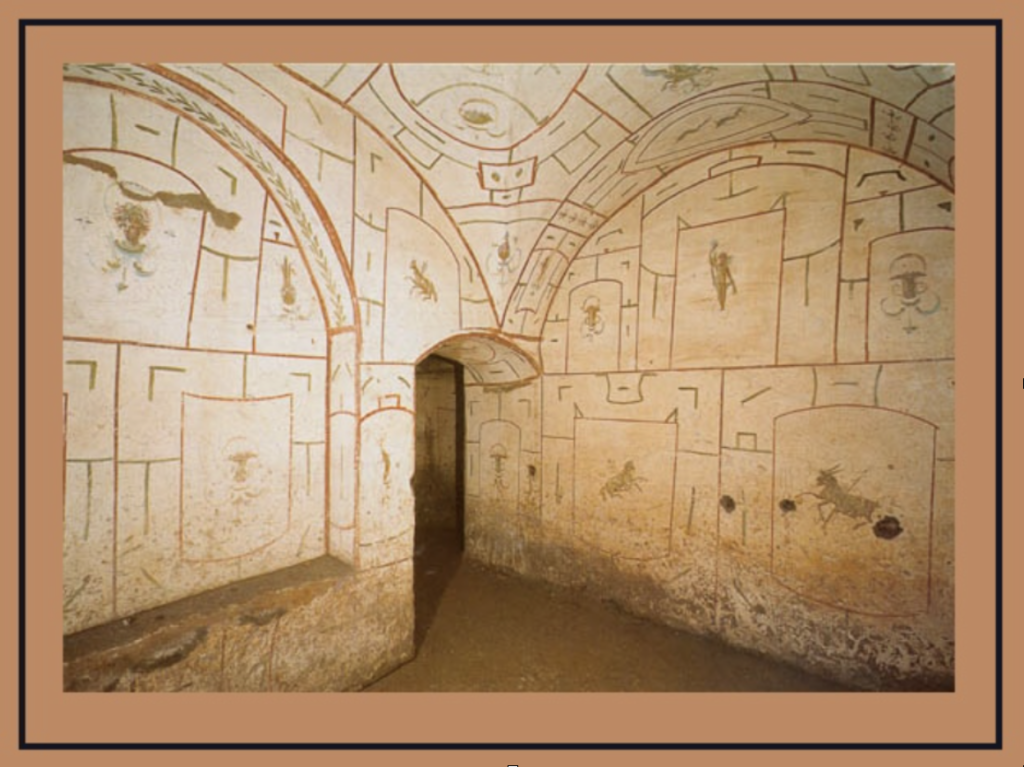
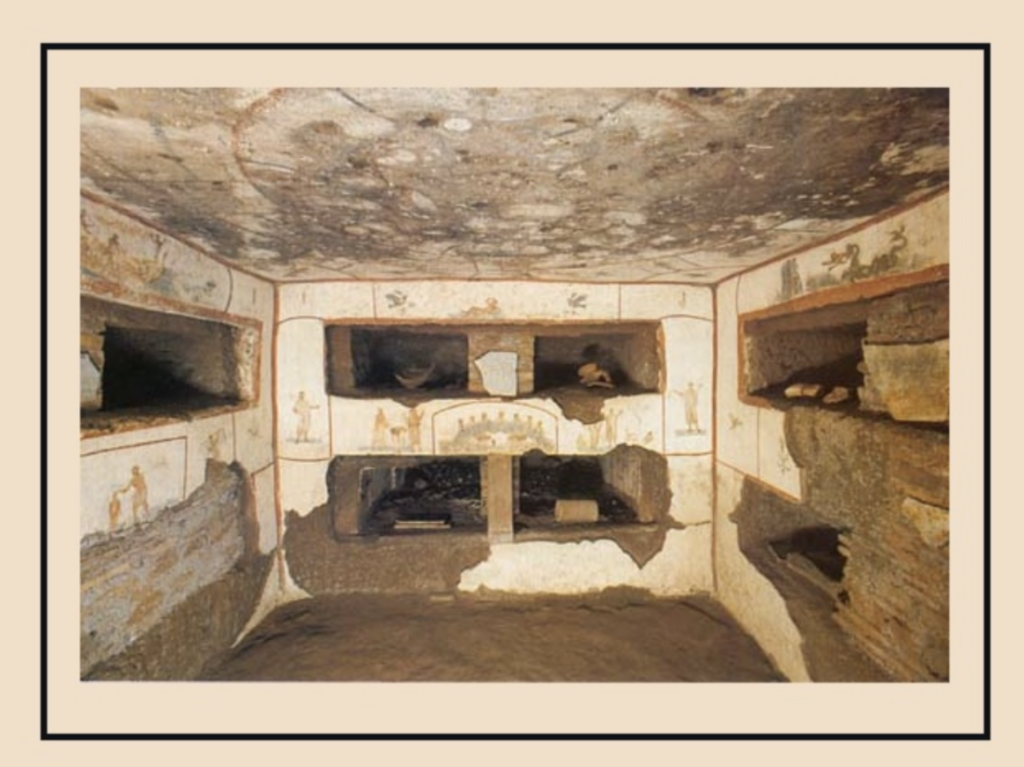
Screenshots from https://www.turismoroma.it/
Along the Via Appia Antica, one of the oldest roads in the world, are several early Christian catacombs. These underground burial passages stretch for hundreds of kilometers in total. Note that only small sections are open to visitors. The Catacombs of San Callisto and the Catacombs of San Sebastiano are the most accessible. It’s quiet, cool, and surprisingly moving, a completely different Rome from the one above ground.
The Appian Way: Walk or Cycle World’s Oldest Road
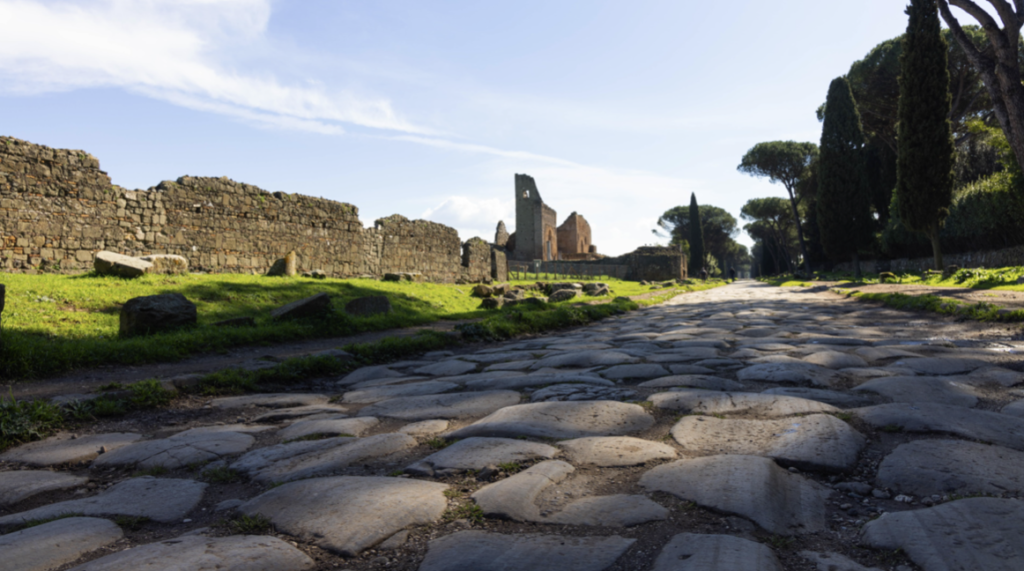
Screenshot from https://www.turismoroma.it/
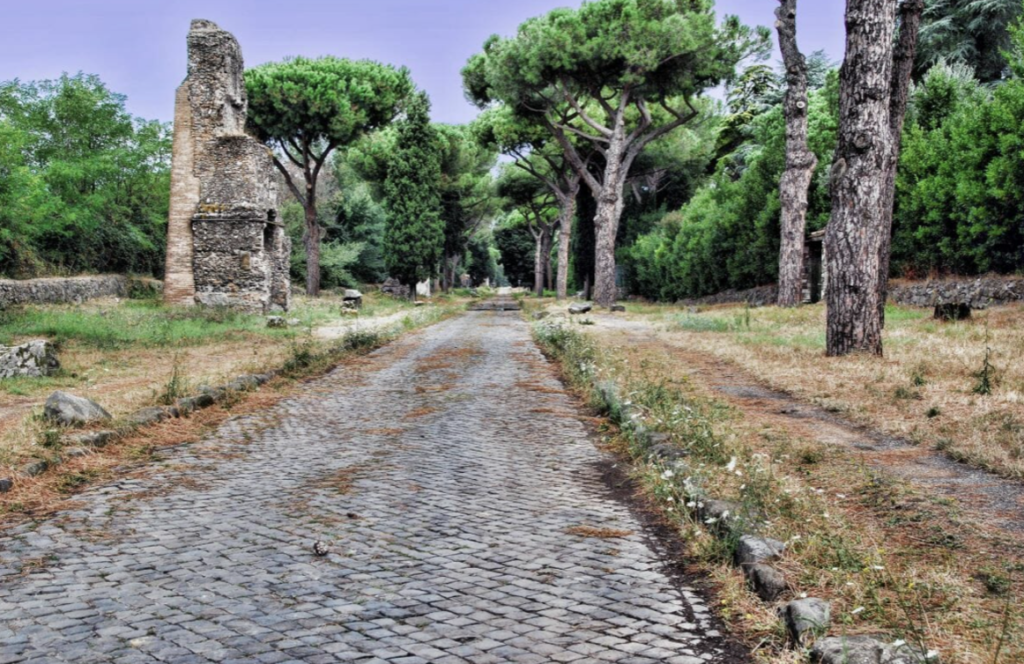
Screenshot courtesy https://www.walksofitaly.com/
Walk or cycle the Via Appia, perhaps the world’s oldest road. The road itself is one of the best sights in Rome that requires no ticket or reservation. On Sunday mornings, when it’s closed to traffic, you can walk the ancient stones for several kilometers past crumbling Roman tombs and open fields. The effect is extraordinary, like you have stepped back in history some two thousand years ago.
Eat The Way The Romans Do
If you consider the best things to do in Rome, you can’t miss out the eating part. I have found that Roman cuisine is ancient and deeply satisfying, with a handful of core ingredients used with tremendous skill. You can visit different trattorias (small, cozy, family-owned Italian restaurants) to explore the amazing options.
Where to Eat Like a Local
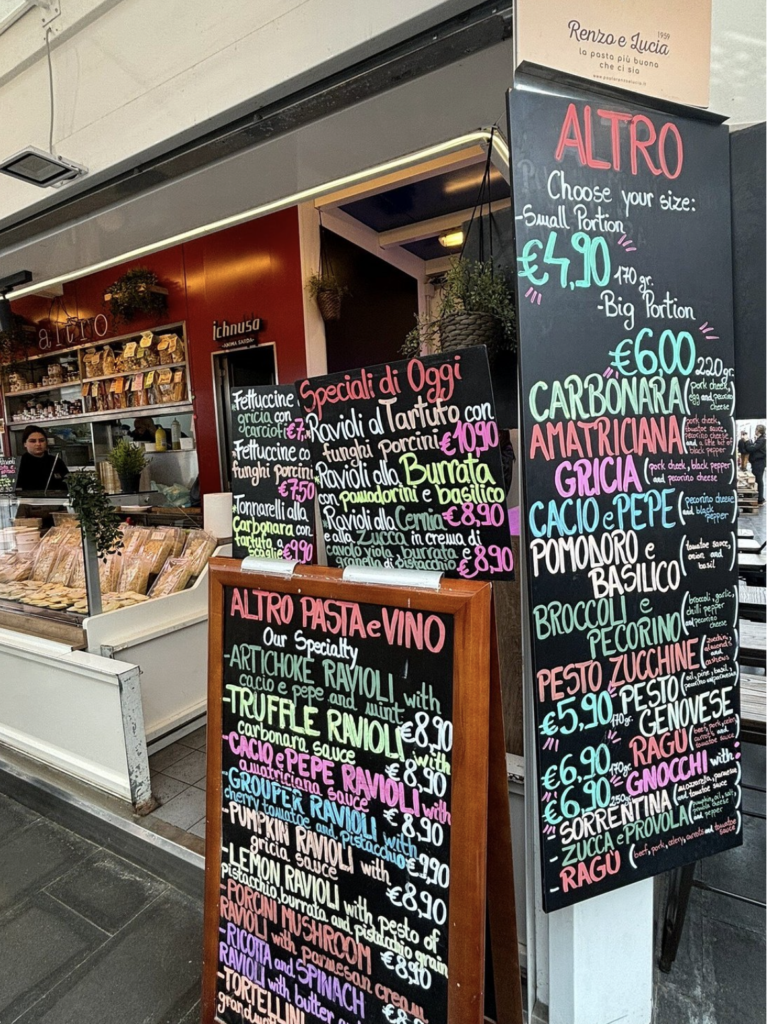
Courtesy TripAdvisor
Avoid restaurants with laminated menus and photographs of the food. I personally think those exist entirely for tourists. Instead, look for places where the menu is handwritten on a chalkboard, where the staff speaks to each other in Italian and only switches to English for you, or where the tablecloths are paper.
Here, Mercato Testaccio is ideal for lunch. Think cheap, fresh, and genuinely local food! For a sit-down dinner, neighborhoods like Prati (near the Vatican) and Ostiense offer excellent trattorias where the food is unpretentious and the prices are honest. Get the genuine Roma experience!
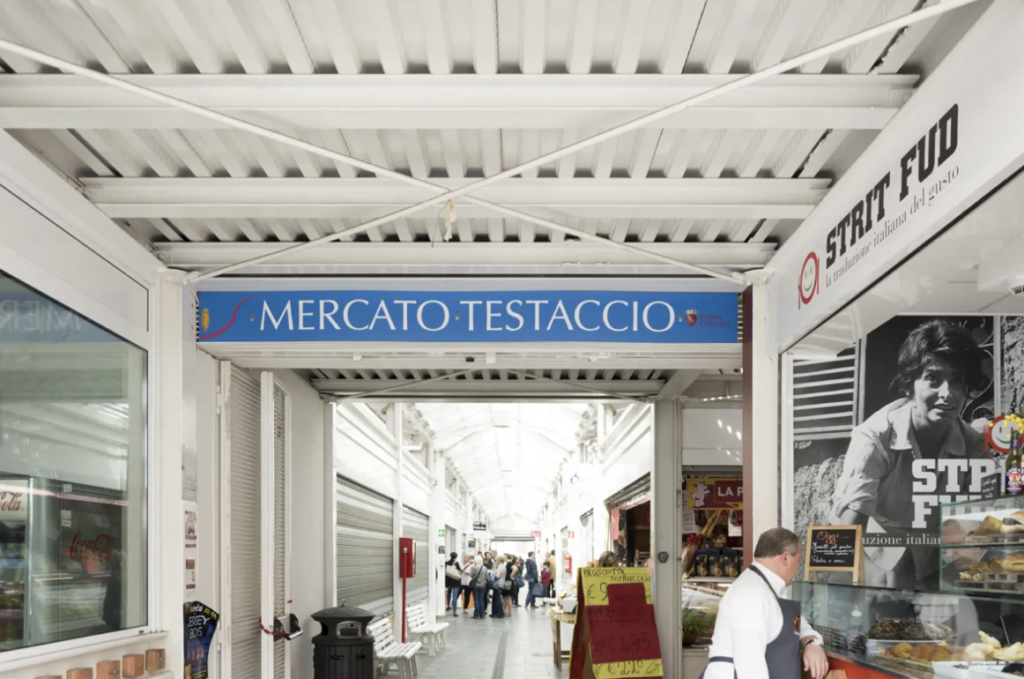
SS from https://media-cdn2.greatbritishchefs.com/
The Roman Coffee Ritual
Romans take their coffee seriously and quickly. You need to order an espresso at the bar while standing if you are still wondering about what to do in Rome. Don’t sit down unless you’re prepared to pay a table surcharge, and don’t order a cappuccino after noon. The Romans will judge you gently but unmistakably.
Typically, a decent enough coffee costs about one euro. Take my suggestion – stop at a bar mid-morning for a quick espresso and a cornetto. You will find it one of the small, perfect pleasures of living inside Roman times, even briefly.
Admire Rome’s Incredible Viewpoints
Sometimes the best way to appreciate Rome is from above. Several panoramic viewpoints showcase the city’s famous domes, rooftops, and ancient monuments.
Gianicolo Hill/ Janiculum Hill
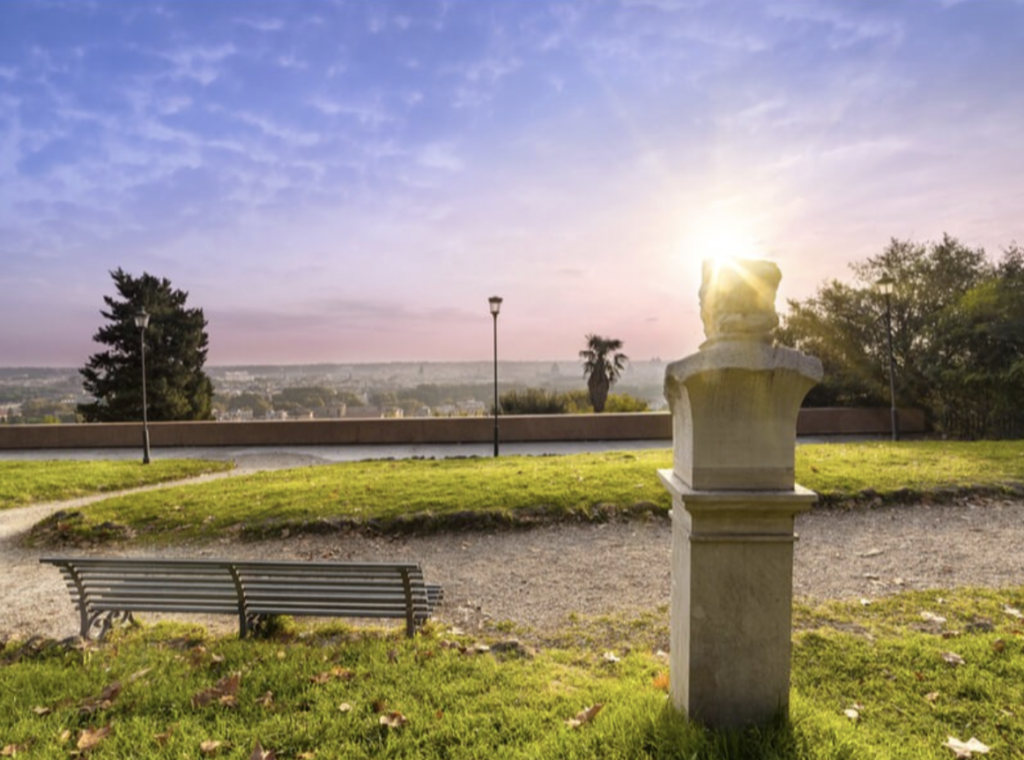
Screenshot from https://cdn-web.greenlinetours.com/
Although not one of Rome’s seven hills, Gianicolo offers one of its finest panoramic views. You get to see the modern and ancient side of Rome all in a glance. It gives a must-watch view as the sun dips below the horizon. Once I visited this spot, I understood why it is often termed one of the most ‘Romantic’ spots in Rome. Take a journey uphill with a loved one and drink a few Peroni, gazing upon the glorious city below.
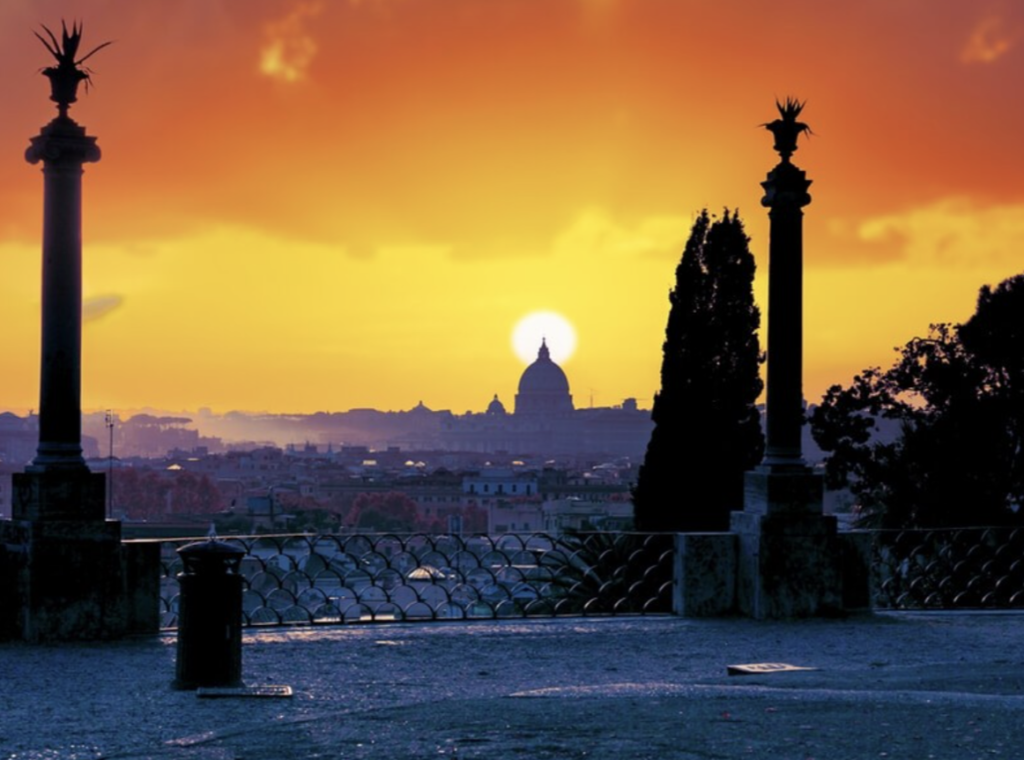
Pincian Terrace

Screenshot courtesy https://www.greenlinetours.com/
The terrace of the Pincio is located at the top of the Pincio hill in Rome. It gives a wonderful view of the underlying Piazza del Popolo. Here, you get to observe the first public garden in Rome, designed by Giuseppe Valadier in 1834. Many consider the sunset of the Pincio as one of the best sunsets in Rome. I leave it to you to decide for yourself which sunset looks more beautiful to you: the Gianicolo hill or the Pincio hill.
Discover Art Without A Two-Hour Queue
When people think about what to see in Rome, they mostly consider the Vatican Museums and the Sistine Chapel as their top priority. I know they are extraordinary. But if you’ve already been there or if you don’t have four hours to give, try to explore Rome’s lesser-known art experiences. Believe me! They are just as rewarding without the extra hassle.
Explore Caravaggio’s Churches
SS from https://anamericaninrome.com/
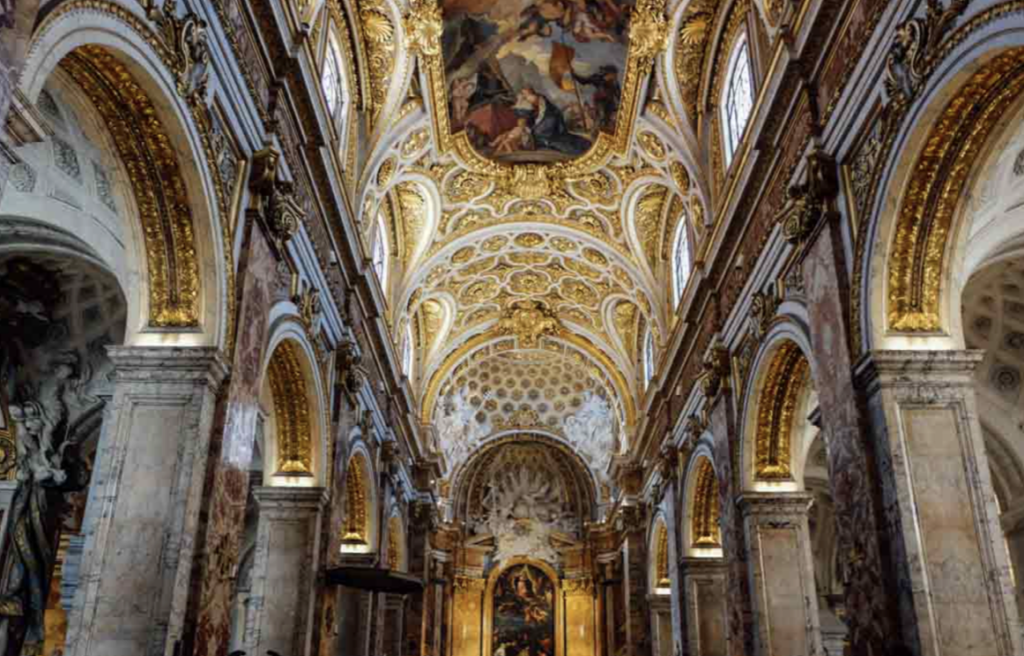
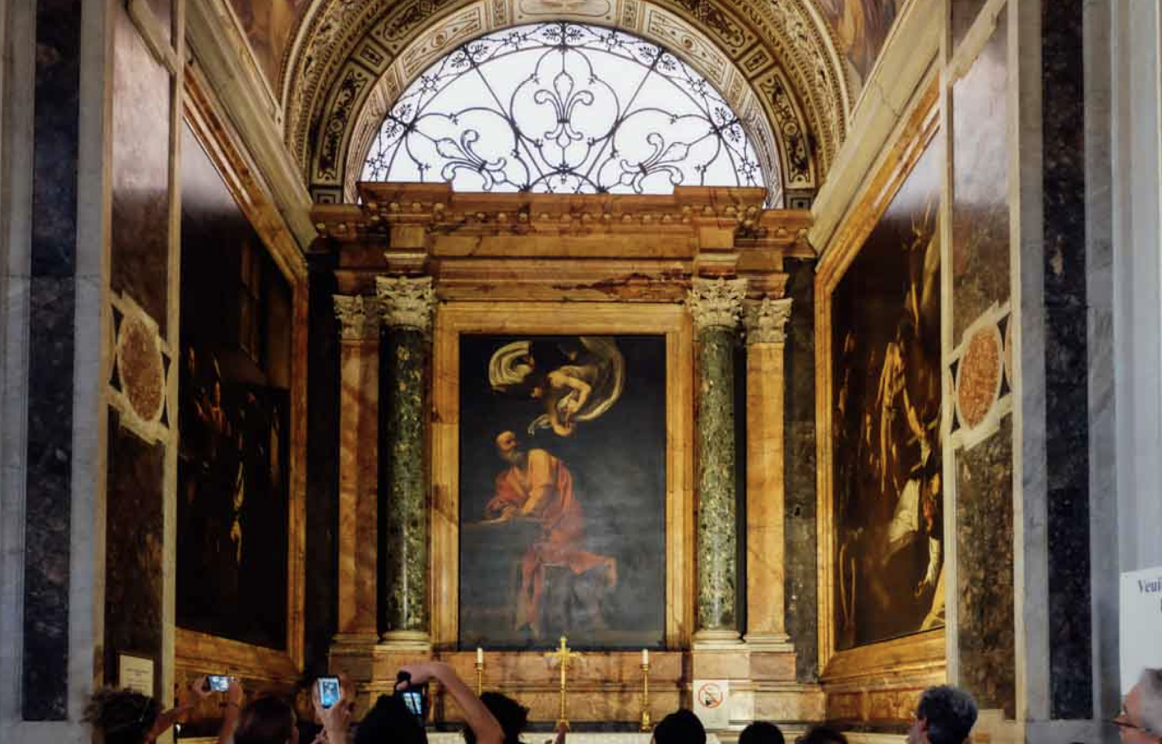
Three of Caravaggio’s most powerful works hang inside the Church of San Luigi dei Francesi, just a short walk from the Pantheon. The Contarelli Chapel contains his cycle on the life of Saint Matthew — three enormous canvases.
Think: no admission fee, no timed entry, and no audio guide required. You simply walk in to enjoy some of the most electrifying paintings ever made. The Church of Santa Maria del Popolo holds two more Caravaggio masterpieces.
Book The Borghese Gallery
The Borghese Gallery is rightly considered one of the best sights in Rome. It is housed in a 17th-century villa in the middle of Villa Borghese park. You only need to book early, but that minor effort pays off handsomely. It is because it limits daily visitors to ensure each room remains uncrowded and genuinely enjoyable. The ground floor alone contains four amazing Bernini sculptures that will stop you in your tracks.
In The End
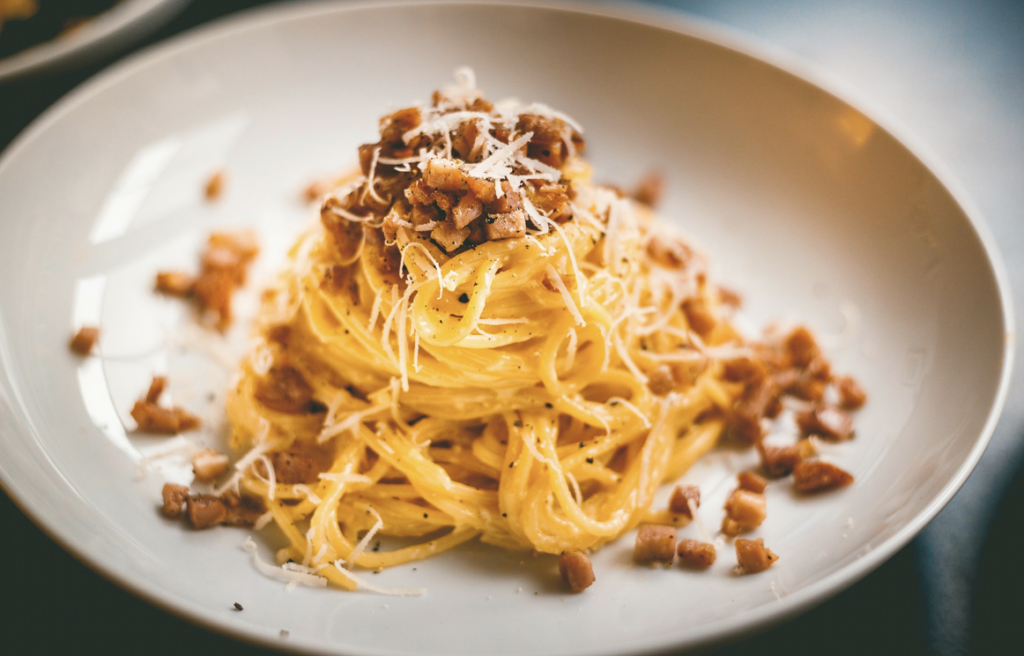
There is no bottom to Rome: the amazing splendor, historic depth, dreamy sunsets and ancient streets. Every time I think I’ve finally understood Rome, catalogued its pleasure, and each time I go it shows me something new. A church I’ve walked past a hundred times turns out to contain a Raphael fresco. A neighborhood I’d dismissed as residential opens up into a historic area of great importance, yet often ignored. A restaurant that looks like nothing from the outside turns out to serve the best carbonara (famous creamy Roman pasta, as shown) I’ve ever tasted.
What to do in Rome is, ultimately, a question with no final answer. The city is too layered and too alive for that. All you can do is slow down and pay attention to small details. Be present in the moment! The rewards are worth it and you might just find yourself needing just one more trip back to Rome to dig a little deeper.

