
How to Plan a Food and Culture Escape Through Paris and Rome

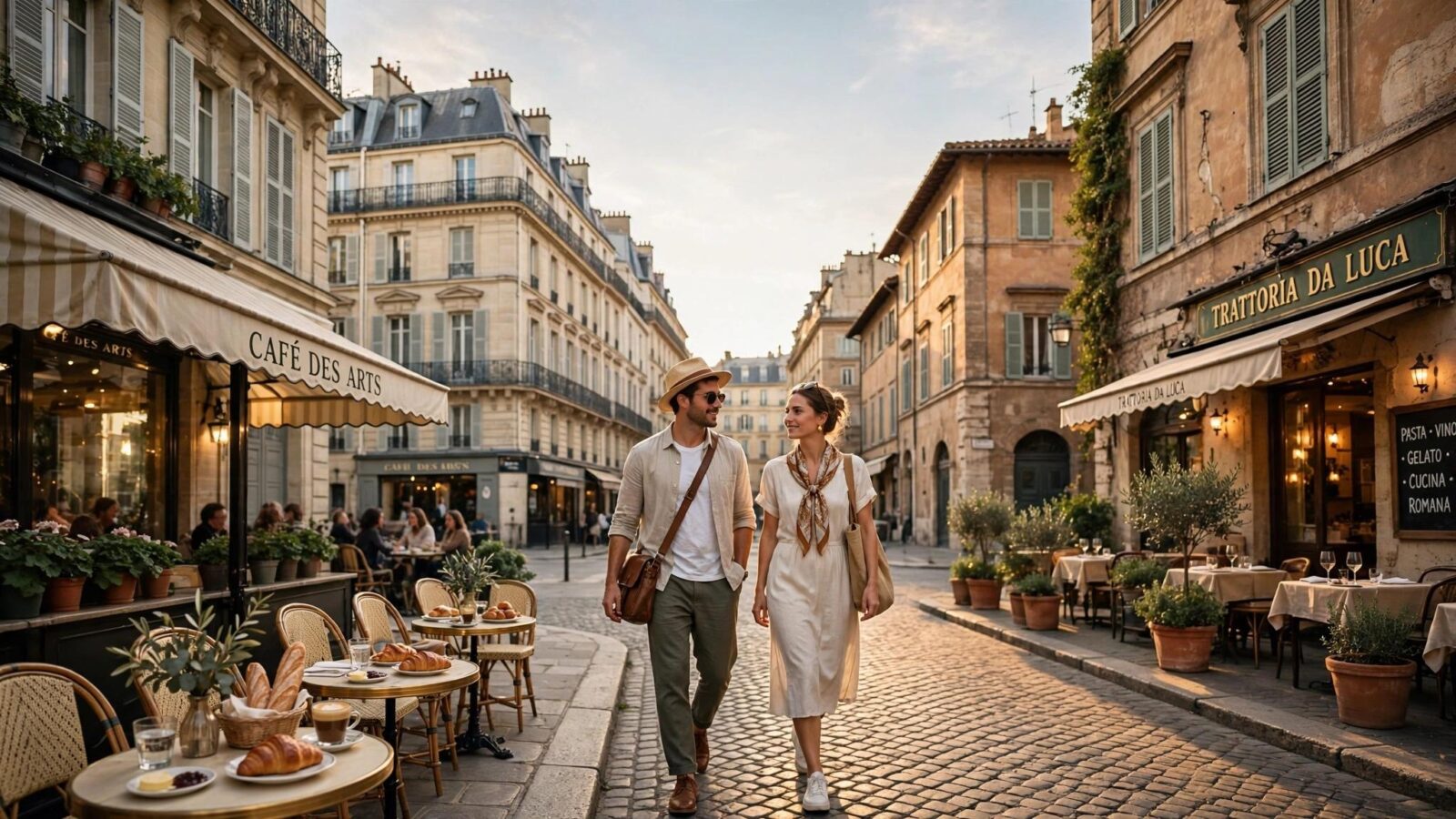

Some destinations are worth visiting for their famous landmarks, while others leave a lasting impression through everyday experiences that are difficult to capture in a photograph. Paris and Rome manage to offer both. From mornings spent wandering through neighbourhood markets to evenings enjoying dinner in historic squares, these two European capitals provide an appealing combination of architecture, gastronomy, culture and local traditions. Visiting them during the same holiday allows travellers to experience two distinctive ways of life without needing to organise an extensive journey across several countries.
Although Paris and Rome are among Europe’s most visited destinations, their popularity does not mean every experience needs to involve crowded attractions or tightly scheduled sightseeing. Some of the most enjoyable moments come from exploring neighbourhoods, discovering small restaurants and allowing enough time to appreciate the atmosphere of each city. With thoughtful planning, a holiday combining France and Italy can provide a memorable balance of cultural discovery, exceptional food and the freedom to enjoy each destination at a comfortable pace.
Why Paris and Rome Work Beautifully Together
Paris and Rome share a remarkable appreciation for art, architecture and food, yet their individual personalities could hardly be more different. Paris is characterised by elegant boulevards, grand museums, atmospheric cafés and beautifully maintained public gardens. Rome presents a fascinating combination of ancient ruins, Renaissance architecture, lively piazzas and neighbourhoods where centuries of history remain visible in everyday surroundings. Experiencing these contrasts within one holiday creates a journey that feels varied without requiring travellers to visit an excessive number of destinations.
Both cities also encourage visitors to appreciate experiences beyond traditional sightseeing. A leisurely breakfast at a Parisian café can be just as memorable as visiting a celebrated museum, while an evening wandering through Rome’s historic streets often reveals architectural details and neighbourhood restaurants that might otherwise go unnoticed. Rather than approaching the holiday as a list of attractions to complete, spending several days in each city allows travellers to develop a greater appreciation for their different cultures and routines.
For a comfortable itinerary, approximately eight to ten nights across the two destinations provides a useful starting point. This allows enough time for major attractions, neighbourhood exploration and occasional unplanned afternoons without making travel arrangements the main focus of the holiday.
Begin Your Journey in Paris
Paris makes an appealing introduction to a European cultural holiday because its attractions extend well beyond the Eiffel Tower and the Louvre. The city is divided into distinctive neighbourhoods, each with its own architectural character, restaurants and local atmosphere. Saint-Germain-des-Prés is associated with literary history, traditional cafés and independent boutiques, while Le Marais combines historic streets with galleries, fashionable shops and an impressive selection of restaurants. Montmartre offers another perspective, with its hillside setting, artistic heritage and views across the city.
Choosing accommodation within convenient reach of the neighbourhoods you want to explore can make a significant difference to the overall experience. Staying in a central area may cost more, but it can reduce the amount of time spent travelling between attractions. Paris also has an extensive public transport network, making it possible to reach different districts without relying entirely on taxis or private transfers. Visitors who enjoy walking may find that exploring neighbouring streets on foot reveals more of the city’s character than moving directly between famous landmarks.
Instead of attempting to visit several museums in one day, consider planning one major cultural experience each morning and leaving the afternoon available for independent exploration. This provides enough structure to make good use of the time while retaining the flexibility that makes a city break enjoyable.
Discover Paris Through Its Food Culture
Food is an essential part of the Parisian experience, and exploring the city’s culinary traditions can become one of the most enjoyable aspects of a visit. A morning might begin with freshly baked pastries and coffee at a neighbourhood bakery before continuing to a local food market filled with seasonal produce, cheeses and traditional French ingredients. These everyday experiences provide an opportunity to appreciate the food culture of the city without necessarily reserving expensive restaurants for every meal.
Paris also has an impressive range of dining options, from longstanding bistros serving familiar French dishes to contemporary restaurants experimenting with international influences. Travellers interested in gastronomy may want to reserve a special evening meal, particularly if visiting a restaurant known for its tasting menus or distinctive culinary approach. However, some of the most satisfying meals can be found in smaller neighbourhood establishments where the atmosphere is relaxed and the menu reflects seasonal ingredients.
Exploring food markets such as Marché des Enfants Rouges can introduce visitors to a variety of cuisines, while areas including Rue Montorgueil provide opportunities to discover bakeries, specialist shops and restaurants. Rather than arranging every meal in advance, leaving room for spontaneous discoveries can make dining feel like a natural part of exploring the city.
Organise Your Arrival in Paris
Paris has several airports serving international and domestic travellers, and the most convenient option depends on the departure location, accommodation and preferred travel arrangements. Charles de Gaulle and Orly are the city’s principal commercial airports, providing connections to destinations throughout Europe and beyond. Travellers should compare transfer times and transport options before booking, particularly when arriving during busy periods or staying outside the central districts.
For passengers seeking greater scheduling flexibility and privacy, private aviation provides an alternative to conventional airline services. Travellers considering a private jet to Paris can explore airport options such as Paris-Le Bourget, which specialises in business and private aviation. Aircraft suitability, operating conditions and onward transport arrangements should be considered when selecting the most appropriate arrival airport.
Regardless of the travel method, planning the first day carefully can make the beginning of the holiday more comfortable. Visitors arriving after a long international journey may prefer a relaxed afternoon exploring the area around their accommodation rather than immediately travelling across the city to visit several attractions. A quiet dinner and an evening walk can provide an enjoyable introduction before beginning a more active sightseeing schedule the following morning.
Experience the Cultural Side of Paris
Paris is home to some of the world’s most celebrated art collections, making it particularly appealing for travellers interested in history, design and the visual arts. The Louvre houses an extraordinary range of works spanning different civilisations and artistic periods, while the Musée d’Orsay is especially well known for its collection of nineteenth-century art. Visitors interested in contemporary creativity can explore galleries and cultural spaces across the city, discovering everything from photography and sculpture to experimental exhibitions.
Although major museums are worth including in the itinerary, visiting smaller cultural attractions can provide a more personal experience. Historic houses, neighbourhood galleries and specialist museums often allow travellers to explore particular subjects in greater detail without the same level of crowds found at internationally recognised institutions. Booking timed admission for popular attractions can also reduce uncertainty, especially when travelling during school holidays or other busy periods.
Beyond museums, Paris offers opportunities to experience its cultural identity simply by spending time outdoors. Walking beside the Seine, browsing independent bookshops or relaxing in the Jardin du Luxembourg can provide a welcome contrast to formal sightseeing. These quieter moments create space to appreciate the city as somewhere people live and work, rather than viewing it exclusively through its tourist attractions.
Make Travelling Between Paris and Rome Part of the Plan
Moving between two major European destinations is relatively straightforward, but choosing the right transport can influence how much time remains for enjoying the holiday. Scheduled flights connect Paris and Rome, making air travel a practical option for many visitors. When comparing services, it is important to consider the complete journey, including airport transfers, check-in requirements and the time needed to reach accommodation after arrival.
Rail travel is another possibility for those who enjoy travelling through Europe at a slower pace, although reaching Rome from Paris generally involves a substantially longer journey and may require connections. This option can appeal to travellers with flexible schedules who prefer to incorporate the journey itself into their holiday. For shorter itineraries, however, flying may be more convenient when the priority is spending additional time exploring each city.
Private aviation can provide further flexibility for groups, families or travellers working around particular schedules. International private jet brokerage companies such as Global Charter arrange charter flights according to passenger requirements, helping coordinate suitable aircraft, airport options and departure times. While private charter is considerably more expensive than most scheduled airline services, the additional control over travel arrangements can be useful for those organising a special occasion or a more demanding multi-destination itinerary.
Whichever option is selected, it is sensible to avoid arranging important activities immediately after reaching Rome. Allowing time to travel from the airport, check into accommodation and become familiar with the neighbourhood can make the transition between destinations more comfortable.
Explore Rome Beyond Its Ancient Landmarks
Rome offers an extraordinary introduction to European history, with ancient monuments and historic architecture appearing throughout the modern city. The Colosseum, Roman Forum, Pantheon and Trevi Fountain remain among its most recognisable attractions, attracting visitors interested in the city’s Roman heritage and architectural achievements. Although these landmarks deserve attention, experiencing Rome involves much more than moving between famous archaeological sites.
Neighbourhoods such as Trastevere provide an opportunity to discover a different side of the city, with narrow streets, traditional restaurants and attractive squares creating an atmosphere that encourages leisurely exploration. The Monti district combines historic surroundings with independent boutiques, cafés and contemporary businesses, while the Jewish Quarter offers an important connection to Rome’s cultural and culinary history. Spending time in these neighbourhoods can reveal aspects of daily Roman life that are easy to miss when concentrating exclusively on major attractions.
Walking is one of the most enjoyable ways to explore central Rome, particularly when travelling between nearby historic districts. However, the city’s uneven streets and summer temperatures can make comfortable footwear and realistic sightseeing schedules especially important. Planning attractions by geographical area reduces unnecessary travel and leaves more time for experiencing the surroundings.
Arranging Your Arrival in Rome
Rome is served by two principal airports, Fiumicino and Ciampino, which accommodate different types of passenger operations. Fiumicino is the main international gateway for scheduled airline services, while Ciampino also accommodates private and business aviation alongside other flights. The most suitable arrival airport depends on the service selected, operational requirements and the location of the traveller’s accommodation.
Visitors planning a more personalised journey can explore the available options for a private jet to Rome, with Ciampino commonly considered for private aviation because of its general aviation facilities and proximity to central Rome. Airport operating restrictions, parking availability and the selected aircraft may influence the final arrangements, making advance coordination important.
Once in the city, choosing accommodation near the historic centre can provide convenient access to restaurants, museums and many important landmarks. Travellers who prefer a quieter atmosphere may appreciate staying in residential neighbourhoods slightly removed from the busiest tourist areas, provided transport connections are suitable. Rome rewards those who allow time to explore on foot, so selecting a comfortable base can make a considerable difference to the overall experience.
Discover the Flavours of Roman Cuisine
Rome’s culinary identity is closely connected to its history, neighbourhood traditions and appreciation for relatively simple ingredients. Classic pasta dishes such as carbonara, cacio e pepe and amatriciana remain central to the local dining experience, while seasonal vegetables, traditional pastries and regional specialities provide plenty of variety. Exploring the city’s food culture can be particularly rewarding for travellers who enjoy discovering how local dishes reflect the traditions and lifestyles of the communities that prepare them.

Restaurants around major tourist attractions can vary considerably in quality and price, making it worth researching neighbourhood establishments before travelling. Trastevere, Testaccio and Monti all offer dining options, although the most suitable choice depends on the atmosphere and type of food preferred. Visitors interested in learning more about Roman cooking may also enjoy a guided market visit or cooking class, where local ingredients and traditional preparation methods become part of the experience.
Food in Rome is not limited to elaborate evening meals. A simple espresso in the morning, a freshly prepared slice of pizza during an afternoon walk or a relaxed dinner in a neighbourhood trattoria can create memorable moments without requiring extensive planning. Allowing enough time to enjoy these experiences is one of the pleasures of visiting a city where food remains closely connected to everyday social life.
Choose the Best Time for Your European Escape
The season can influence almost every aspect of a Paris and Rome holiday, including accommodation prices, sightseeing conditions and the atmosphere of each destination. Spring and autumn are often appealing periods for travellers who want to explore on foot without the most intense summer heat. Paris can be particularly attractive during the spring when public gardens begin to bloom, while Rome’s generally milder autumn conditions may provide a comfortable setting for outdoor sightseeing.
Summer offers longer days and a busy calendar of cultural activities, but it also brings larger crowds to many popular attractions. Rome can become particularly hot during July and August, making early-morning sightseeing and afternoon breaks important considerations. Winter provides another perspective, with seasonal decorations, quieter periods at some attractions and opportunities to experience both cities in a different atmosphere.
Travellers should also research major public holidays, cultural events and museum opening arrangements before finalising their itineraries. Certain attractions require advance reservations throughout the year, and restaurants may operate different schedules during holiday periods. Making important bookings early while retaining flexibility for smaller activities can help create a comfortable balance between organisation and spontaneity.
Make Room for Special Experiences
A memorable holiday does not require every activity to be expensive, but choosing one or two special experiences can make the journey feel more personal. In Paris, this might involve reserving a dinner overlooking the city, visiting a museum with an experienced guide or exploring the surrounding countryside on a day trip. In Rome, travellers could arrange a specialist historical tour, participate in an Italian cooking class or enjoy an evening dining in a peaceful courtyard away from the busiest streets.
The key is selecting activities that reflect genuine interests rather than choosing experiences simply because they appear frequently in travel recommendations. Art enthusiasts may appreciate spending additional time in galleries, while food lovers might prefer exploring markets and neighbourhood restaurants. Couples celebrating an anniversary may want a more romantic itinerary, whereas families might prioritise interactive cultural experiences and accommodation with convenient facilities.
Establishing a realistic travel budget also helps determine where to spend more and where simpler alternatives may be equally enjoyable. Accommodation, intercity transport and major attractions are worth considering early, while meals and smaller activities can often be adjusted according to personal preferences. A thoughtful combination of memorable paid experiences and inexpensive local discoveries can create a holiday that feels special without unnecessary spending.
Create an Itinerary That Leaves Time to Explore
For a nine-night holiday, spending four nights in Paris and five nights in Rome provides a comfortable introduction to both destinations. The Paris portion could include time exploring Saint-Germain-des-Prés, visiting major museums, discovering neighbourhood food markets and enjoying an evening beside the Seine. One afternoon could remain unplanned, allowing travellers to revisit a favourite neighbourhood or follow a recommendation discovered during the stay.
After travelling to Rome, the remaining days could include exploring the Colosseum and Roman Forum, visiting Vatican City, discovering Trastevere and enjoying the city’s restaurants at a relaxed pace. Grouping major landmarks by location can make sightseeing more manageable, particularly when travelling during warmer months. Visitors interested in art, architecture or food may also want to reserve additional time for activities that reflect their particular interests.
It is worth remembering that even a carefully organised itinerary will occasionally change. Weather conditions, transport disruptions or unexpected discoveries can influence the day’s plans, and retaining some flexibility makes these adjustments easier. A holiday should provide opportunities to experience new places without turning every hour into another commitment.
Enjoy Two Cities at Your Own Pace
Paris and Rome offer an exceptional combination of history, culture, architecture and gastronomy, but their greatest attraction often lies in experiences that cannot be fully planned in advance. An unexpected conversation in a neighbourhood café, an evening exploring a quiet Roman street or discovering a favourite bakery can become just as memorable as visiting a world-famous landmark.
Combining the two cities creates a journey that celebrates different European traditions while encouraging travellers to appreciate the pleasures of slowing down. Paris provides elegant streets, artistic heritage and a distinctive café culture, while Rome introduces ancient history, lively neighbourhoods and a culinary identity rooted in generations of tradition.
Ultimately, the most satisfying European escapes are those that provide enough time to experience each destination rather than simply pass through it. With carefully arranged travel, comfortable accommodation and a flexible approach to exploring, a holiday through Paris and Rome can become a memorable experience filled with meaningful discoveries, enjoyable meals and moments worth remembering long after returning home.
