
How to Care for Handmade Carpets

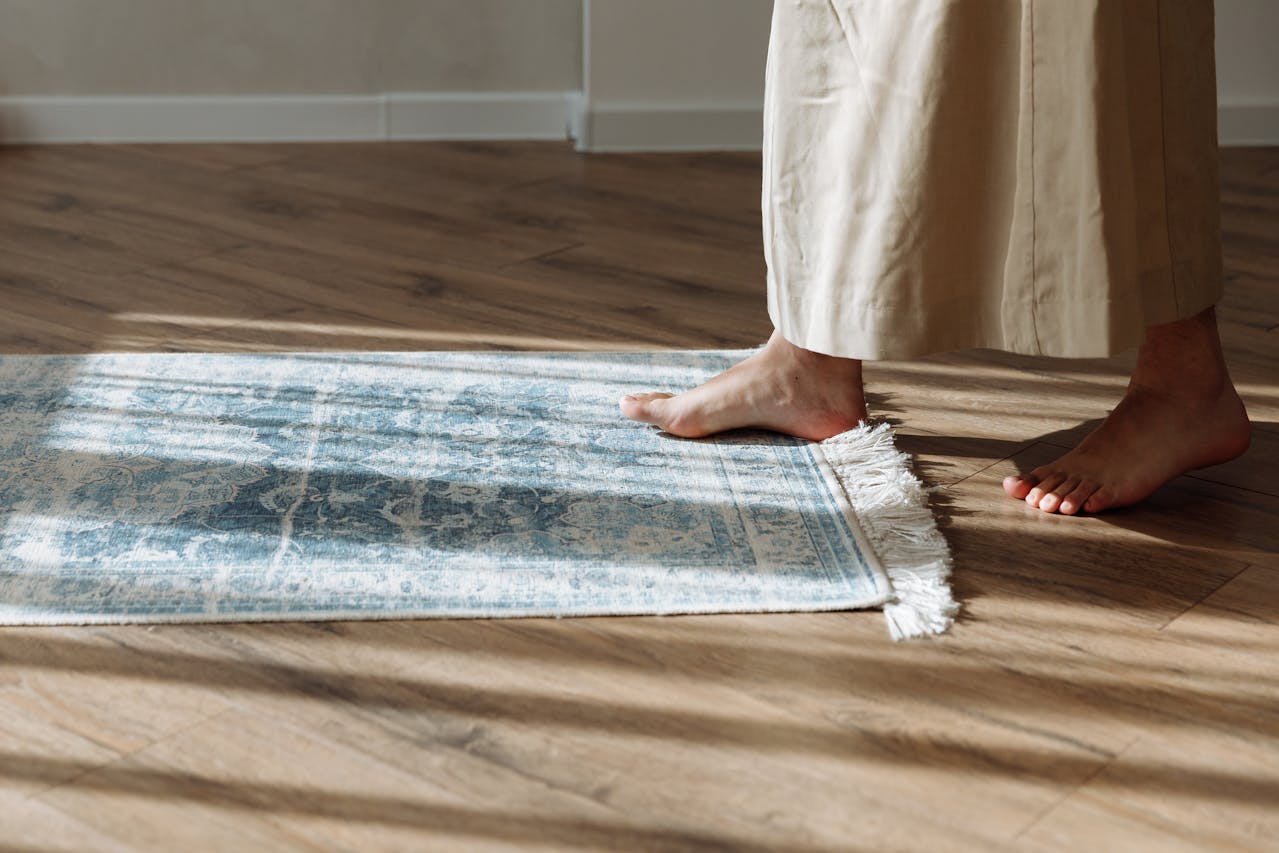

Handmade rugs possess a remarkable charm. By merging artistry with functionality, these extraordinary pieces can elevate any space, adding a personal touch to it.
That said, to maintain their beauty and durability, it’s essential to prioritise proper care.
This comprehensive guide provides smart and affordable suggestions to preserve the appeal of your exquisite floor coverings without breaking the bank.
Common Materials
To keep these masterpieces in prime condition, it is essential to consider the materials used in their manufacturing.
Wool is an excellent option because it is strong and resistant to stains. However, it does require gentle methods to maintain its appearance.
Silk, on the other hand, is extremely elegant, but is prone to smudges. Thus, you need to add a protective layer to maintain its beautiful look for longer.
Cotton, which offers flexibility, is good at soaking up spills, but diligent maintenance is still necessary to prevent extensive damage.
Understanding these key materials will help you decide the best care strategies, keep your rugs looking their best, and avoid costly repairs in the future.
Regular Maintenance
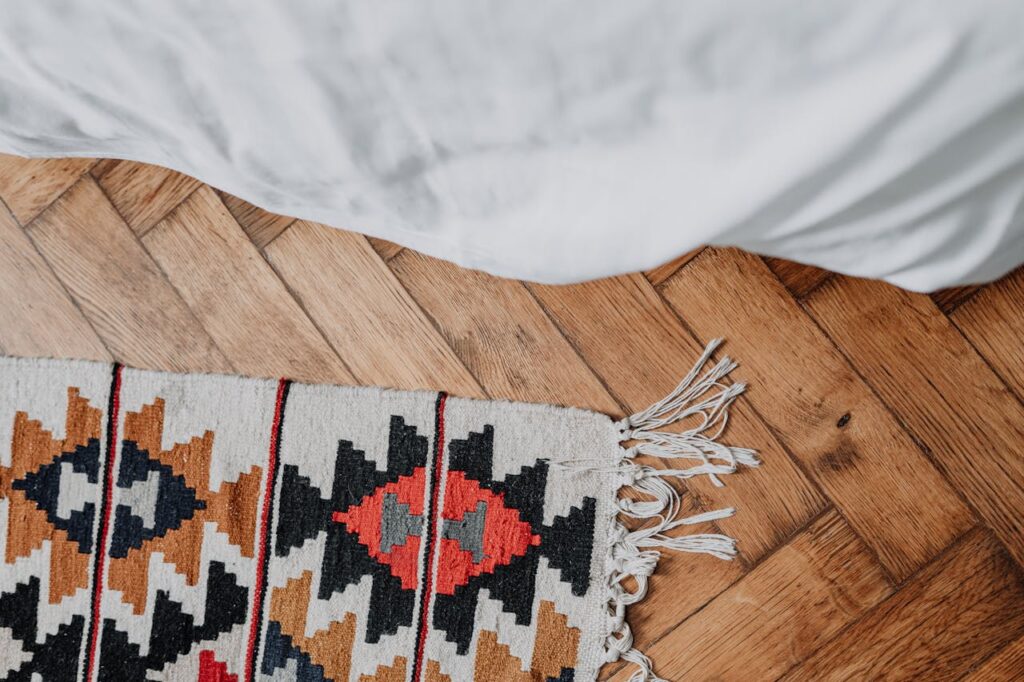
Consistent upkeep can preserve the quality of your hand-fashioned mats and significantly prolong their lifespan.
Instead of scrambling at the last minute when you’re expecting guests, make it a habit to clean them with a vacuum once a week to keep dirt particles from accumulating.
Opt for a hoover with adjustable suction settings and soft-bristled attachments to prevent potential damage to the carpet. Moreover, carefully work in the direction of the fibres to ensure a smooth finish.
For better outcomes, a carpet washing machine can be a helpful tool, especially for larger coverings.
Occasionally, flip the rug to ensure equally balanced usage and prevent a single area from suffering from excessive wear or noticeable discolouration.
In houses with big windows, install curtains or blinds to control sunlight and protect the floor coverings from fading.
Step-by-Step Guide to Spot Treatments
Addressing tough stains can be stressful. Nonetheless, you must stay calm. Acting swiftly is crucial to avoid further damage.
First, figure out what kind of stain you’re facing. If grease, such as cooking oil, is the culprit, grab a dry cloth and dab the area. Press gently to lift the spill, but avoid rubbing it, or you’ll only spread the mess further.
Another option is to apply baking soda to the area to absorb the liquid. You can easily hoover the carpet to get rid of any leftovers after you’re finished.
If you’re dealing with a water-based mark from tea or juice, combine some warm water and a mild detergent.
Dab the soiled spot carefully with a soft cloth soaked in the solution, but resist the urge to press down too firmly as this will only worsen the stain. Once the mark has been lifted, rinse the area with fresh water and blot it dry using a towel.
Although these methods are typically safe, it’s always a good idea to test on an inconspicuous part of the rug first just to be safe.
Deep Cleaning Methods
To retain the luxurious look and feel of your intricately woven rug, it is suggested to wash it ideally every 12-24 months. Some variants can be machine-cleaned. If you’re not keen on splurging on a carpet washing machine, you can always rent one.
For ones consisting of sensitive materials such as silk, it is highly advisable to seek professional input from specialised firms. They possess the necessary expertise to safely eliminate stubborn stains without compromising the fabric.
To choose the best company, get recommendations from your friends and family or check online reviews.
If you prefer to clean your floors yourself, utilise a suitable store-bought or DIY solution and a soft-bristled brush, making sure not to soak the rug. Subsequently, remove any moisture using a towel.
Fully dry it to prevent unwanted mould growth, either by laying it flat in a well-ventilated area or utilising an extractor fan.
Protecting Your Rugs from Damage
Keeping your floor coverings looking great is pretty simple with a few tricks. Try putting some soft mats under your carpet. They’ll stop it from slipping and help it handle foot traffic better, so it stays nice and smooth.


Sunlight can make the fabric fade, so using curtains or blinds is a smart move. If you have furnishings on the rug, stick some pads under the legs. It will spread out the weight and keep those ugly dents away.
Shifting your upholstery every now and then does wonders too. It allows the rug to breathe and helps it regain its shape. These simple tips keep your floor coverings looking fresh and can save you money on repairs.
Dealing with Pests
To keep insects like moths from damaging handcrafted rugs, proper care is essential. They really enjoy eating the fibres, therefore it’s important to keep them pristine.
Regular hoovering, especially in hidden areas under furniture where pests often hide, is imperative. A strong hoover can assist to keep these spaces spotless and insect-free.
For long-term storage, it is preferable to wrap your carpets in breathable materials like cotton or muslin. This will stop moisture from building up and drawing pests.
Moreover, natural repellents that don’t damage carpets, like cedarwood chips or lavender pouches, can be excellent at keeping moths away.
These can be strategically positioned around the storage area or in folds within the rug.
Should insects become a problem, swift action is necessary. In this case, you should call in specialised exterminators to take care of the issue.
Regular cleaning combined with natural pest control techniques will effectively safeguard your carpets, preserving their condition over time.
Conclusion
With proper maintenance, handmade carpets can endure for many generations, making them a priceless possession.
Your rugs will remain colourful and durable with careful washing, proper placement, and wear-resistant treatments.
Whether you’re dealing with spills, pests, or sunlight, simple steps can help keep your rugs looking stunning while saving you money on repairs.
By investing in their care, you can ensure that these artistic treasures continue to add character and warmth to your home for many years to come.