
Why your new car can start losing value before you get used to it

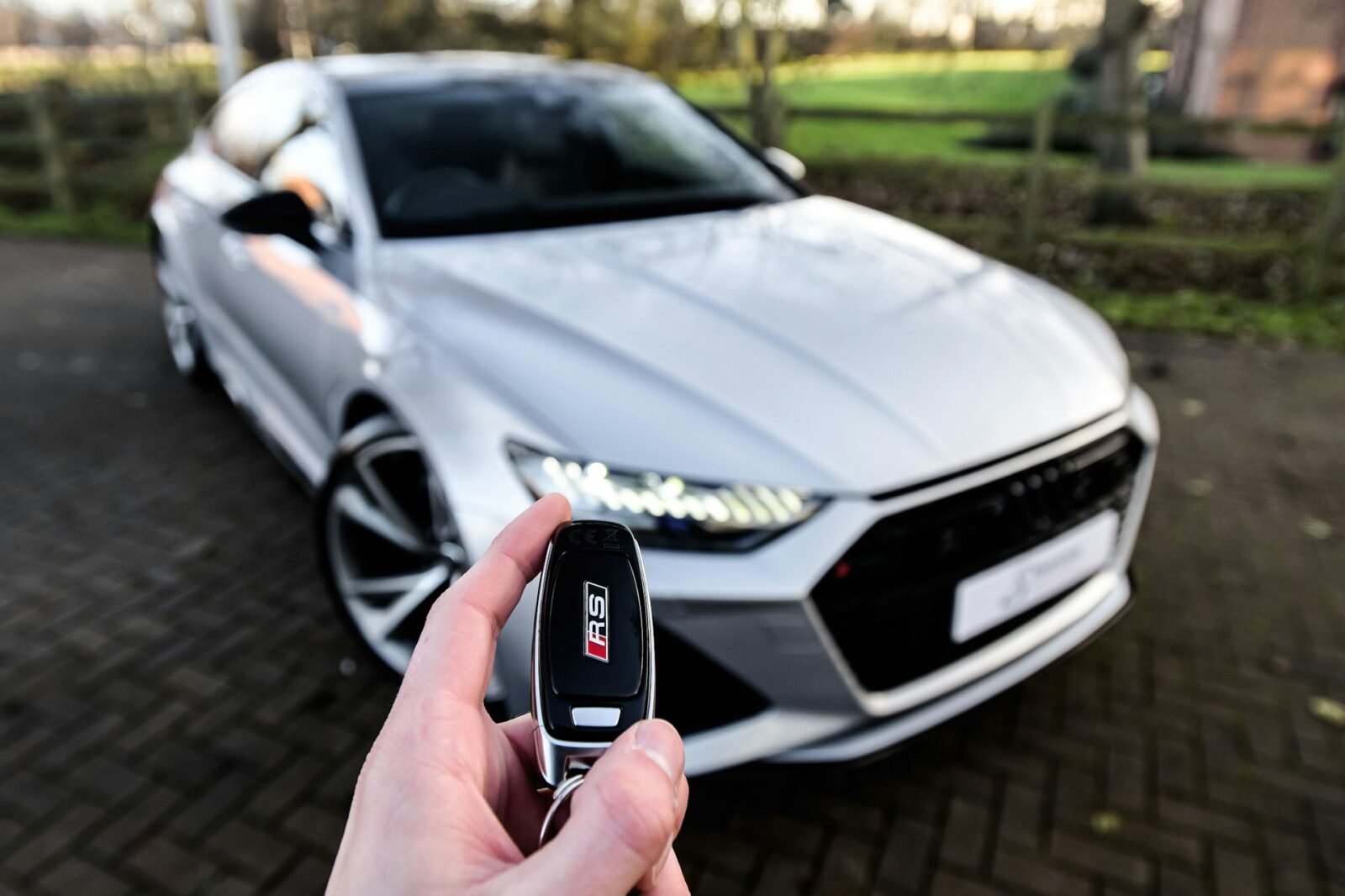

Purchasing a new car can seem like a rare purchase that you know exactly what you are going to get. You choose the model of your vehicle, select your preferred colour and sign the contract. Then, reality bites.
A car can rapidly lose a significant amount of its value, especially in the early years of ownership. This doesn’t mean that a new car purchase is a bad idea. Instead, it means that it’s important to consider what’s happening to your finances as soon as you drive off the forecourt.
New Cars Can Lose Value – The Strange Economics of a New Car
The depreciation of your car is one of its highest costs, yet is one you are unlikely to see as a monthly bill. When we buy a car for £30,000, a few years later we may find out that its value is significantly smaller. In fact, if you still have an outstanding finance payment, you may owe more money than the car is actually worth.
This is why gap insurance can be useful, as it covers a difference (a ‘gap’) between what an insurer pays out on a claim and what you originally paid for your car, or what you owe if you’re still paying it off. What the specific policy covers will vary, so make sure to check what level of cover fits with your needs.

Why the First Few Years Matter
A car will typically depreciate the most during its first few years. Its mileage, overall condition, the popularity of the model and the general state of the used car market can all play a part.
This is why two people can reach very different conclusions about the value of the same car. Someone who buys a car and keeps it for ten years is unlikely to be as concerned about its value falling rapidly in the first few years as someone who buys and sells a car every three or four years.
The purchase price alone doesn’t tell the whole story.
Finance Can Make the Difference More Important
It becomes particularly interesting when the vehicle is financed.
As you make monthly payments on a financed car, you reduce the amount you originally paid for the car. Meanwhile, the car itself is depreciating at a set rate. These two figures don’t behave in tandem.
If your financed car is written off in an accident or stolen and not recovered, your motor insurance will only cover the value of the car at the time, not what you originally paid (or still owe if you’re financing the car).
Depending on your individual circumstances, this could leave you with a significant hole in your finances at a time when you’ve just lost a vehicle.
This is why it can be important to look at the whole cost of a car before signing a finance agreement, rather than just looking at the monthly payments.

Look Beyond the Monthly Figure

A low monthly payment can make an expensive car feel surprisingly affordable, but the monthly payment is only a small part of the wider payment structure.
Consider the deposit, interest, insurance, servicing, fuel, road tax where relevant, maintenance and eventual resale value. If you’re financing the car, think about how long you will need to make payments for compared to how long you will keep the car for.
It can be a useful exercise to consider the hypothetical question of “What happens if I have to replace this car unexpectedly next year?”
Nobody likes to consider the possibility of being involved in an accident or having a car stolen when they’re excited about a new purchase, but financial planning often requires us to consider situations we might not like. Buying a car is more than buying a car, for most of us it serves as a transport and our freedom, but it also chains us to a huge financial commitment.
Understanding depreciation doesn’t mean new cars should be avoided, but instead means that you can be far more aware of the financial commitment you’re making.
The smartest car purchase isn’t always the cheapest one.
It’s the one where you understand what you’re paying today, what the car may be worth tomorrow, and what may happen financially if things don’t go to plan.
